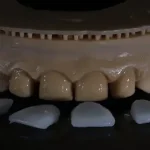

Composite bonding is one of the most popular procedures in dentistry to restore chipped, cracked, or stained teeth. Many patients ask their dentist in Downtown Toronto, “Is composite bonding painful?” The good news is that this procedure is relatively quick, safe, and usually does not involve pain. Let’s go through it step by step so that you understand what to expect when getting composite bonding done.
What is Composite Bonding?
Composite bonding is a cosmetic dental procedure where a tooth-coloured material (composite resin) is bonded to your natural tooth. The dentist will shape and polish the resin to match the rest of your teeth. Composite bonding is often used for:
- Repairing chipped or cracked teeth
- Closing small gaps between teeth
- Restoring discoloured or stained teeth
- Changing the shape of a tooth
The procedure is straightforward and does not remove a lot of your natural tooth.
Is Composite Bonding Painful?
Most patients say composite bonding is not a painful process. This is because the bonding procedure does not very frequently involve the nerves or deep layers of the tooth. In most procedures, the dentist does not even use anesthesia (numbing injections).
In some procedures, the patient may feel a slight pressure or mild sensitivity when the dentist cleans the tooth surface or applies the resin, which is not considered painful, just a little uncomfortable.
What Does Composite Bonding Feel Like?
During the composite bonding in Downtown Toronto procedure, here’s what you may experience:
- Cleaning and preparing the tooth.-You might feel the dentist gently roughening the surface of your tooth. This step helps the resin stick better.
- Applying the resin – The material is shaped carefully to look realistic.
- Hardening with a blue light – A blue light is used to make the resin hard. You will sometimes feel a little warmth, but it is not painful.
- Shaping and polishing – The dentist smooths the surface as they are just polishing it naturally.
Most patients say the whole process feels simple, with no sharp pain.
How Long Does Pain Last After Composite Bonding?
In general, patients usually do not feel any pain after bonding. In most cases, the most discomfort patients may feel is some slight sensitivity for a few hours after the procedure or up to a couple of days. This discomfort is typically linked to eating very hot, cold, or very sweet foods.
Here is a simple table to help you understand
| Experience | What Patients Report | How Long Does It Last |
| During procedure | No pain, only mild pressure or warmth | Immediate |
| After procedure | Mild tooth sensitivity in some cases | 1–2 days (rarely longer) |
| Long-term | No lasting pain if bonding is cared for properly | None |
How to Reduce Discomfort from Composite Bonding
If you experience limited sensitivity after the procedure, this advice may offer you comfort
- For the first day, try not to eat very hot or very cold foods
- For the first couple of days, gently brush and use a soft-bristle toothbrush to limit irritation
- After the first day, rinse with lukewarm water and limit any extreme temperature experiences, like ice water
- If required, take mild pain relief at the recommendation of your dentist to limit discomfort; if sensations are lingering and with pain, see another dentist as soon as possible
- Follow good oral hygiene to keep the bonded tooth healthy
- If your discomfort lasts longer than a few days or you are concerned with the feel of the bonding, you should seek out a qualified dentist quickly to check the bonding.
Why Patients Choose Composite Bonding
In addition to being totally painless, composite bonding also offers the following advantages:
- Fast treatment, often completed in a single visit
- No drilling in most cases
- Relatively inexpensive compared to crowns or veneers
- Natural-looking results that will match your teeth
- Safe and reversible
With all of these advantages, composite bonding continues to be a popular option for many people trying to remedy small imperfections without surgery or major work.
When to See a Dentist Near You
If you are considering receiving this treatment, the best thing you can do is to book an appointment for a consultation with the nearest qualified dentist. During this visit, the dentist will examine your mouth, explain your tooth’s specific condition, discuss if bonding is a good option, and provide you with information on what to expect if you decide to go ahead with treatment. Not all dental problems can be solved with bonding, so a professional exam is important.
Final Thoughts
So, is composite bonding painful? The answer is no for most patients. Most patients might be aware in their body that something has happened (mild pressure) during the procedure and have slight sensitivity afterward, but rarely real pain.
Understanding what composite bonding will feel like and approximately how long the pain after this procedure will last, and how to minimize discomfort, will certainly help you to feel knowledgeable and confident before your appointment.
Restore Your Smile With Composite Bonding!
Infinity Dental Office provides complete dental care for patients of all ages. Our team focuses on preventive care, dental treatments and patient education so you can keep your teeth strong and healthy. We use safe methods and modern tools to give you comfortable care. Call Infinity Dental Office today at (416) 463-4648.