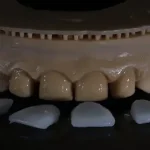

Many individuals feel self-conscious about small gaps, chipped edges, or uneven teeth. Numerous individuals are seeking simple smile-enhancing cosmetic procedures which do not involve complicated treatment. A quick and efficient treatment to repair small imperfections on the teeth, composite bonding in Downtown Toronto is a popular choice.
Composite bonding is a tooth-coloured resin material that seamlessly blends with your own. A competent dentist shapes the material directly on the tooth to enhance its appearance. Achieve a more even, smooth smile that appears completely natural after the results.
In many cases, the procedure can be completed in just one visit, making it a convenient cosmetic treatment for patients who want fast results.
What Is Composite Bonding?
Composite bonding is a cosmetic dental procedure where a dentist applies a tooth-colored resin to the surface of a tooth. The material is shaped, hardened with a special light, and polished to match surrounding teeth.
The goal is to improve the shape, colour, or size of a tooth while preserving as much natural tooth structure as possible.
This is why many patients searching for composite bonding near you choose this treatment. It is simple, effective, and typically painless.
Dental Issues Composite Bonding Can Fix
Composite bonding works best for small cosmetic concerns. It can quickly improve several smile imperfections.
Common problems it can correct include:
- Small gaps between teeth
- Chipped or cracked tooth edges
- Slightly uneven teeth
- Minor discoloration or stains
- Teeth that appear too short
- Small worn areas
Many patients benefit from minimally invasive composite bonding for small tooth gaps and chips because the treatment usually requires little or no drilling.
A skilled dentist in Downtown Toronto can carefully shape the resin to create a natural-looking result that blends with your existing teeth.
Why Patients Choose Composite Bonding
Composite bonding is in high demand because it is one of the most conservative cosmetic treatments.
Key benefits include:
- Quick treatment, often completed in one visit
- Minimal removal of natural tooth enamel
- Natural-looking results
- Lower cost compared to veneers
- Immediate smile improvement
Patients visiting a dental clinic often choose bonding because it offers noticeable improvements without lengthy procedures.
What Happens During a Composite Bonding Procedure?
The process is simple and comfortable.
Typical steps include:
- Tooth preparation – The dentist lightly roughens the tooth surface and applies a conditioning liquid to help the resin stick.
- Resin application – A tooth-colored composite resin is placed on the tooth.
- Shaping and sculpting – The dentist carefully shapes the material to improve the tooth’s appearance.
- Hardening – A curing light hardens the resin within seconds.
- Polishing – The tooth is polished so it blends smoothly with the surrounding teeth.
The entire procedure is usually completed in 30 to 60 minutes per tooth. If bonding isn’t enough, composite bonding is often painless and a great first step.
Composite Bonding vs Other Cosmetic Treatments
Sometimes patients wonder whether bonding, veneers, or orthodontics is the best choice.
Here is a quick comparison.
| Treatment | Best For | Time Required | Tooth Preparation |
| Composite Bonding | Small gaps, chips, uneven edges | 1 visit | Minimal |
| Porcelain Veneers | Larger cosmetic changes | 2–3 visits | Moderate |
| Orthodontics | Tooth alignment issues | Months to years | None |
For small cosmetic problems, composite bonding near you is often the fastest and most affordable option.
How to Care for Composite Bonding
Composite bonding can last several years with proper care.
Simple habits can help extend its lifespan:
- Brush twice daily and floss regularly
- Avoid biting hard objects like ice
- Limit staining foods and drinks
- Visit your dentist for regular checkups
- Consider a night guard if you grind your teeth.
Your dentist will guide you on the best ways to maintain your bonded teeth.
When Composite Bonding May Not Be Enough
While bonding works well for many cosmetic concerns, it may not be ideal for every case.
For example, larger gaps or severe damage may require treatments such as veneers, orthodontics, or crowns.
A professional consultation at a dental clinic near you helps determine the most effective treatment for your smile goals.
Conclusion
Composite bonding is a simple and effective cosmetic dental treatment that can repair small gaps, chips, and uneven teeth. Because it is quick, affordable, and minimally invasive, many patients choose it as an easy way to improve their smile.
If you are considering composite bonding in Downtown Toronto, the team at Infinity Dental Office is here to help. An experienced dentist can assess your smile and recommend the best solution for your needs.
If you want a smoother, more confident smile, now is the perfect time to book an appointment and learn how composite bonding can transform your teeth.
📍 Fix chips, gaps, and discoloration with composite bonding – get directions to Infinity Dental Office.
FAQ
- How much does composite bonding in downtown Toronto cost?
Composite bonding in downtown Toronto usually costs between $300 and $600 per tooth. The final price depends on the size of the repair, the number of teeth treated, and the complexity of the case.
- How long does composite bonding last on front teeth?
Composite bonding on front teeth typically lasts 5 to 10 years. Good oral hygiene, avoiding hard foods, and regular dental visits can help extend the lifespan of the bonded material.
- Can composite bonding fix large gaps between teeth?
Composite bonding works best for small to moderate gaps. Larger gaps may require orthodontic treatment or porcelain veneers for better long-term results and proper tooth alignment.
- Is composite bonding reversible, or does it damage natural teeth?
Composite bonding is generally considered reversible because it requires little to no removal of natural enamel. When performed by a dentist, it does not damage the natural tooth structure.