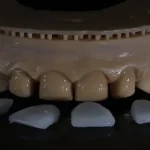

Inlays and onlays are used to repair teeth with damage or decay that is too extensive for a regular filling but does not require a full crown. The main difference between Inlays and Onlays is how much of the tooth they cover. An inlay fits inside the tooth, while an onlay covers one or more raised parts of the tooth. Both help the tooth work properly and keep more of the natural tooth. The best option depends on how much of the tooth is damaged and how much healthy tooth is left.
What Are Inlays and Onlays?
Inlays and Onlays near you are custom-made pieces that fit into or over a prepared tooth. They are often made from porcelain, ceramic, or other dental materials chosen for strength and appearance.
Inlays fit within the middle area of the tooth, between its raised edges. They may be used when decay or damage affects the chewing surface but does not reach the cusps.
Onlays cover a larger area. They can repair the chewing surface and one or more cusps when the damage is too extensive for an inlay but a full crown may not be necessary.
For people considering Inlays and Onlays in Downtown Toronto, a dental examination can help determine which restoration is suitable for the affected tooth.
How Do Inlays and Onlays Work?
Both treatments restore damaged parts of a tooth and help it handle everyday chewing. The process usually involves several steps:
- Examination: The dentist checks the tooth and may take X-rays to assess the damage.
- Removing damaged areas: Decay or weak tooth material is removed to prepare the tooth.
- Taking measurements: An impression or digital scan records the shape of the prepared tooth.
- Making the restoration: The inlay or onlay is created to fit the tooth.
- Placing the restoration: At a later visit, or during the same visit with certain methods, the restoration is fitted and bonded in place.
A temporary restoration may be placed while a custom one is being made. The exact process depends on the material and the treatment plan.
What Is the Main Difference Between Inlays and Onlays?
The main difference is the size and location of the area they cover.
- Inlays: Fit inside the tooth’s grooves and do not cover its raised cusps.
- Onlays: Cover one or more cusps and the damaged chewing surface.
- Amount of repair: Inlays are generally used for smaller areas of damage, while onlays repair more extensive damage.
- Tooth protection: Both restore the tooth, but an onlay provides coverage over weakened cusps.
Neither option is automatically better. The right choice depends on the amount of damage and the strength of the remaining tooth.
When Might You Need an Inlay or Onlay?
These restorations may be recommended when a tooth has moderate damage and enough healthy structure remains to support the repair.
Possible reasons include:
- A cavity that is too large for a regular filling.
- A cracked or weakened part of the chewing surface.
- An older filling that needs replacement.
- Damage that affects one or more cusps but may not require a full crown.
A dentist in Downtown Toronto can examine the tooth, explain the available treatments, and help you understand the benefits and limits of each option. In some cases, a regular filling or a crown may be more suitable.
How Can You Care for Inlays and Onlays?
Inlays and onlays can last for many years, but their lifespan depends on the material, bite pressure, oral hygiene, and the condition of the tooth.
To care for your restoration:
- Brush twice daily with fluoride toothpaste.
- Clean between your teeth every day.
- Avoid chewing ice or biting very hard objects.
- Ask your dentist about a night guard if you grind your teeth.
- Attend regular checkups to check the restoration and the surrounding tooth.
Although the restoration itself cannot develop tooth decay, the natural tooth around it can. Good oral care helps protect both.
Restore Your Tooth With the Right Treatment
A damaged tooth may not always need a full crown. An inlay or onlay may help restore its shape and function while preserving healthy tooth structure. Contact Infinity Dental Office to book an appointment, discuss your treatment options, and find out which restoration may suit your needs.
Frequently Asked Questions
Are inlays and onlays better than regular fillings?
They may be more suitable for larger areas of damage because they are made to fit the prepared tooth. Small cavities may still be treated well with a regular filling.
Is getting an inlay or onlay painful?
The tooth is usually numbed during preparation, so discomfort should be limited. Some sensitivity may occur afterward, but persistent or severe pain should be checked.
How long do inlays and onlays last?
They can last for many years, but there is no guaranteed lifespan. Material, fit, chewing habits, and daily care all affect how long they last.
Does an onlay cover the whole tooth?
No. An onlay covers the damaged chewing area and one or more cusps. A crown covers most or all of the visible part of the tooth.