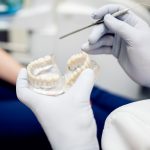

Dental veneers are thin, custom-made restorations bonded to the visible front surfaces of selected teeth. What are dental veneers designed to do? They can improve colour, shape, size, and the appearance of minor spacing, but they don’t correct every structural or alignment concern. Some designs require enamel preparation, which is irreversible, while in selected cases less preparation may be needed.
An examination of the teeth, gums, bite, and existing dental work helps determine whether veneers are suitable or whether a more conservative option would better preserve natural tooth structure. The final choice should reflect each tooth’s health and include a long-term care plan.
What Can Veneers Improve?
Dental veneers in Downtown Toronto may be considered for several cosmetic concerns on visible teeth:
- Persistent Discolouration: They can cover stains that don’t respond as expected to whitening.
- Uneven Shape or Size: They can make selected teeth appear more consistently proportioned.
- Small Chips and Worn Edges: They may restore a more even outline when the tooth remains suitable for a veneer.
- Minor Spacing: They can reduce the appearance of selected small gaps, depending on tooth position and bite.
Veneers are cosmetic restorations, not a way to move teeth or treat active decay and gum disease. Significant bite or alignment concerns may need other care.
Porcelain and Composite Veneers
Porcelain veneers are thin ceramic restorations made outside the mouth and bonded to the prepared tooth. They can be designed to reflect light like natural enamel and are generally more resistant to surface staining than composite resin. Composite veneers use tooth-coloured resin that is shaped directly or indirectly, depending on the technique.
The choice depends on the desired change, tooth preparation, enamel, bite, maintenance, and budget. A dentist can explain the differences without promising a fixed lifespan or shade result.
What Happens Before Veneers Are Placed?
Planning begins with an examination and a discussion about what you want to change. The dentist checks the teeth, gums, and bite to confirm that the proposed shape will function comfortably. Photographs, impressions, or scans may be used in planning.
Some designs require enamel preparation, while in selected cases less may be needed. “No-prep” does not mean every tooth can receive a veneer without adjustment; suitability depends on its shape and position.
A dental clinic in Downtown Toronto can explain the cosmetic and restorative alternatives, the amount of tooth preparation involved, expected maintenance, and what may happen if a veneer chips or needs replacement. The recommendation should reflect your teeth’s health and structure, not appearance alone.
When May Veneers Be Worth Considering?
A consultation about dental veneers near you will cover the extent of enamel preparation, alternatives such as bonding, expected maintenance, and how the restoration will fit with the bite. A smaller repair may achieve the desired change while preserving more natural tooth structure.
Placement and Long-Term Care
A veneer is not maintenance-free. Routine examinations allow the dentist to check its edges, bite, and surrounding gum tissue. Daily brushing and cleaning between teeth also help limit decay around the margins.
Once the design is approved, the dentist may prepare the tooth and take an impression or scan. A
temporary restoration may be used when required. At the placement visit, the dentist checks fit, shape, shade, and bite before bonding the veneer in place. The exact sequence varies by material and case.
Veneers still require daily care. Brush with fluoride toothpaste, clean between the teeth, and attend regular examinations. Avoid biting hard objects with veneered teeth. If you grind or clench your teeth, we may recommend a protective appliance. A veneer can chip, loosen, or need replacement; it does not protect the underlying tooth from decay at the margins.
Are Veneers the Right Step?
Cosmetic changes work best when they complement healthy teeth and gums. Understanding the preparation and maintenance involved can help you decide whether veneers are the right step.
Schedule a consultation with Infinity Dental Office to discuss your smile goals and determine whether veneers are right for your teeth. An informed choice begins with a plan that respects your natural tooth structure.
FAQs
Can veneers be placed on a tooth with a large filling?
Possibly, but a large existing filling may leave less enamel available for bonding and may indicate that the tooth needs structural support. The dentist evaluates the filling, remaining walls, cracks, and bite before deciding whether a veneer or another restoration is more appropriate.
What should I do if a veneer feels high when I bite?
Contact the dental practice for a bite assessment rather than adjusting the veneer yourself. A high contact can place extra force on the restoration and opposing tooth. The dentist can identify whether a small adjustment or another repair is needed.
Are temporary veneers used during treatment?
Temporary restorations may be used when tooth preparation is required, and the final veneer is being made. They aren’t necessary in every case, especially when a different preparation or placement method is used. The dentist should explain what to expect for the chosen design.
Can a veneer come loose after it has been bonded?
A veneer can loosen if the bond is compromised, the tooth is damaged, or the restoration is subjected to excessive force. Do not attempt to glue it back yourself. If it comes off, keep the restoration safe and contact the dentist for advice.